
Allergic Reaction Viral Rash: Why This Skin Reaction Trend Is Going Viral Online
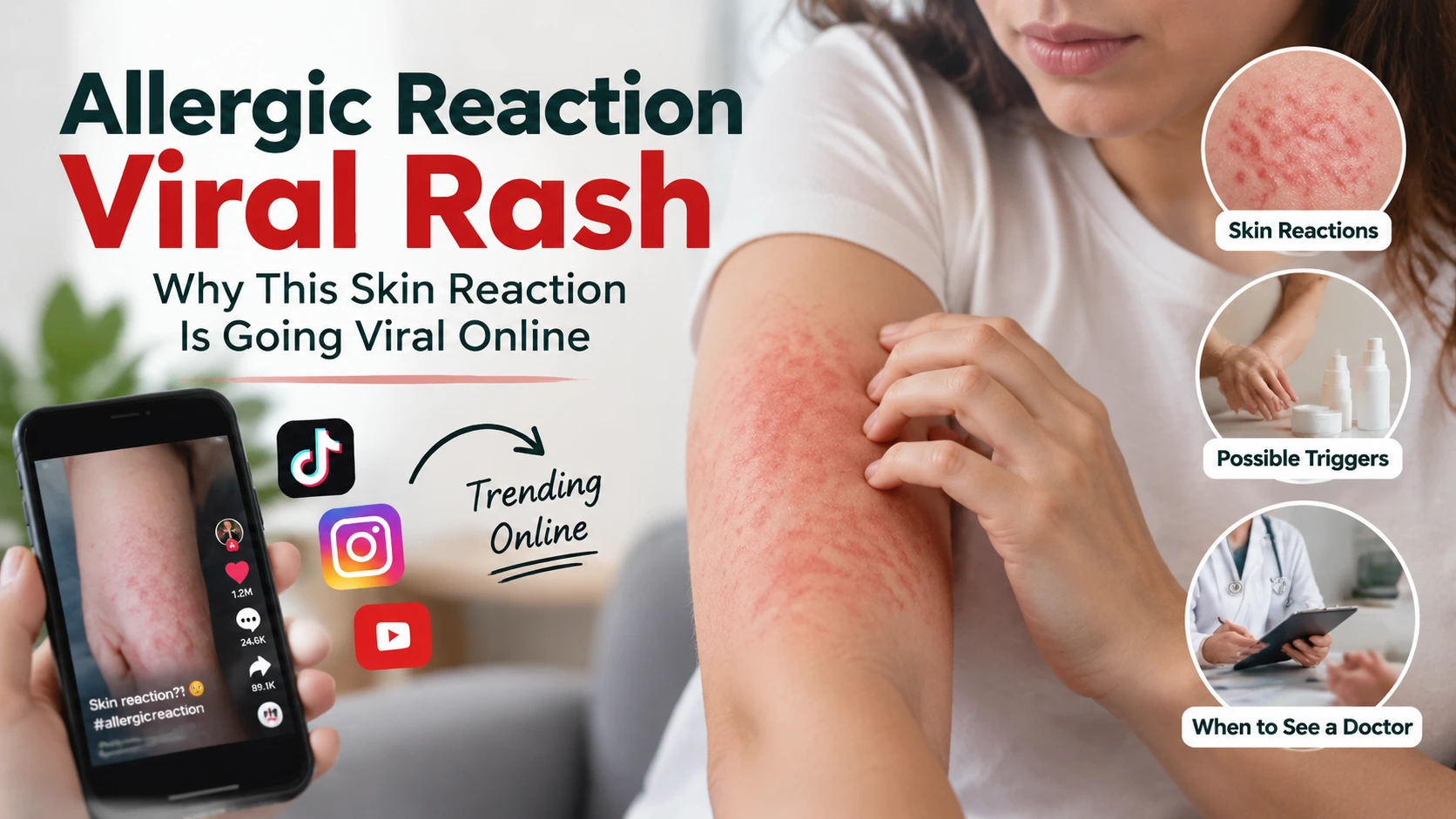
Scroll through social media long enough and you will eventually come across a video that makes you wince a little, someone showing off a red, swollen patch of skin after trying a new product, eating something unfamiliar, or reacting to an ingredient they never expected would bother them. These allergic reaction viral rash videos have become a recurring theme across platforms, often racking up millions of views as people react with a mix of curiosity, concern, and their own personal horror stories in the comments.
This kind of content taps into something very human. Most people have experienced an unexpected skin reaction at some point, whether it was mild irritation from a new lotion or something more alarming that sent them straight to a mirror in a panic. In this article, we will look at why these videos spread so quickly online, what general categories of triggers tend to come up in these stories, how social media has shifted the way people talk about allergic reactions, and most importantly, when a reaction like this actually warrants medical attention rather than just an internet audience.
What Is the Allergic Reaction Viral Rash Trend?
At its core, this trend involves people documenting a skin reaction in real time or shortly after it happens, often walking viewers through what they used, ate, or were exposed to right before symptoms appeared. The format varies widely, from calm explainer-style videos filmed the next day to more urgent, in-the-moment clips showing visible swelling or redness as it develops.
What ties these videos together is not a single specific cause but rather the shared experience of an unpredictable reaction. Some creators are sharing genuine confusion, trying to crowdsource an explanation from viewers who might recognize a similar pattern. Others are documenting the experience partly as a warning to others who might use the same product or eat the same food. Either way, the appeal for viewers often comes from a sense of recognition, the feeling of having gone through something similar themselves or the fear of it happening to them next.
Why These Videos and Stories Go Viral
Health-related content tends to spread quickly online because it triggers a mix of empathy and self-relevance that is hard to scroll past. When someone shows a visible, relatable symptom like a rash, viewers are not just passive observers, many of them are mentally scanning their own recent skincare routine, diet, or environment, wondering whether they could experience the same thing.
Social platforms also reward this kind of content structurally, since a visually striking before-and-after or a suspenseful reveal tends to keep viewers watching until the end. Comment sections often turn into informal support groups, with strangers sharing their own similar experiences, product recommendations, or cautionary tales. This sense of community, even among people who have never met, plays a significant role in why a single video can snowball into a much larger conversation, sometimes prompting brands to respond publicly or other users to share their own related stories using the same sound or hashtag.
Common Reasons Behind Allergic Skin Reactions
While every individual case is different, allergic skin reactions are generally understood to fall into a few broad categories that come up repeatedly in these kinds of stories. Skincare and cosmetic products are frequently mentioned, since new ingredients, fragrances, or preservatives can sometimes trigger a reaction even in products marketed as gentle or hypoallergenic. This does not mean a specific product is inherently unsafe for everyone, since individual sensitivities vary considerably from person to person.
Food-related reactions are another common category, ranging from mild skin irritation to more significant responses depending on the specific allergen involved and the individual’s sensitivity level. Environmental factors also play a role in many cases, including exposure to certain plants, insect bites, pollen, or materials like latex, which can cause localized or more widespread skin reactions depending on the person. It is worth emphasizing that identifying the exact cause of any specific rash is something only a healthcare professional can properly determine after examining the affected area and reviewing a person’s health history, rather than something that can be reliably diagnosed from a video or a written description alone.
How Social Media Has Changed the Way People Talk About Skin Reactions
One of the more positive shifts that has come from this kind of content is increased openness around a topic that used to feel more private or embarrassing. Where people once might have quietly dealt with a skin reaction on their own, many now feel comfortable sharing the experience, which has helped normalize conversations around sensitive skin, allergies, and product reactions in a way that feels less isolating.
This visibility has also added a layer of accountability for brands and manufacturers, since a viral video documenting a reaction to a specific product can prompt real scrutiny, prompting some companies to respond directly or review their ingredient lists. At the same time, this shift comes with a responsibility for viewers to approach this content critically rather than assuming a single video represents a universal risk, since individual allergies and sensitivities differ significantly from person to person, and a reaction experienced by one person does not necessarily indicate the same product or food will affect someone else the same way.
When a Rash or Allergic Reaction Should Be Taken Seriously
While many mild skin reactions resolve on their own without becoming a serious concern, there are general signs that suggest a reaction should not be brushed off or self-managed based on advice seen online. Rapid swelling, particularly around the face, lips, or throat, along with difficulty breathing, are widely recognized as signs that require immediate emergency medical attention rather than waiting to see if symptoms improve.
Beyond emergency situations, a rash that spreads quickly, becomes increasingly painful, shows signs of infection, or does not improve within a reasonable time frame is generally a signal to seek medical evaluation rather than relying on home remedies or advice from social media comments. A licensed healthcare professional or dermatologist is the only appropriate source for an actual diagnosis and treatment plan, since they can examine the reaction directly, consider a person’s full medical history, and rule out other underlying causes that would not be apparent from a video or photo alone.
Tips for Protecting Your Skin From Unknown Reactions
Even with all the uncertainty around individual sensitivities, there are general precautionary habits that tend to reduce the risk of an unexpected reaction, particularly when trying something new. Performing a small patch test on an inconspicuous area of skin before applying a new product more broadly is a widely recommended habit, allowing a person to observe any reaction on a small scale before committing to full use.
Reading ingredient labels carefully, especially for anyone with a known history of sensitivities, can also help avoid repeat exposure to ingredients that have caused issues in the past. Introducing new products or foods one at a time, rather than multiple changes at once, makes it easier to identify a potential trigger if a reaction does occur. These habits are general precautions rather than guarantees, and they do not replace guidance from a healthcare provider, particularly for anyone with a known history of allergies or severe reactions.
Conclusion
The rise of allergic reaction viral rash content says a lot about how people process health experiences today, turning something that once felt isolating into a shared, relatable conversation online. That openness has real value, but it also comes with the responsibility to treat these videos as personal stories rather than medical guidance. If you or someone you know is dealing with an unexplained rash or allergic reaction, the most reliable next step is always reaching out to a licensed healthcare professional or dermatologist, who can offer an actual diagnosis based on a proper examination rather than a comment section full of guesses.