
Wollmatten: What Wool Mats Are, How They Are Used, and How to Choose One
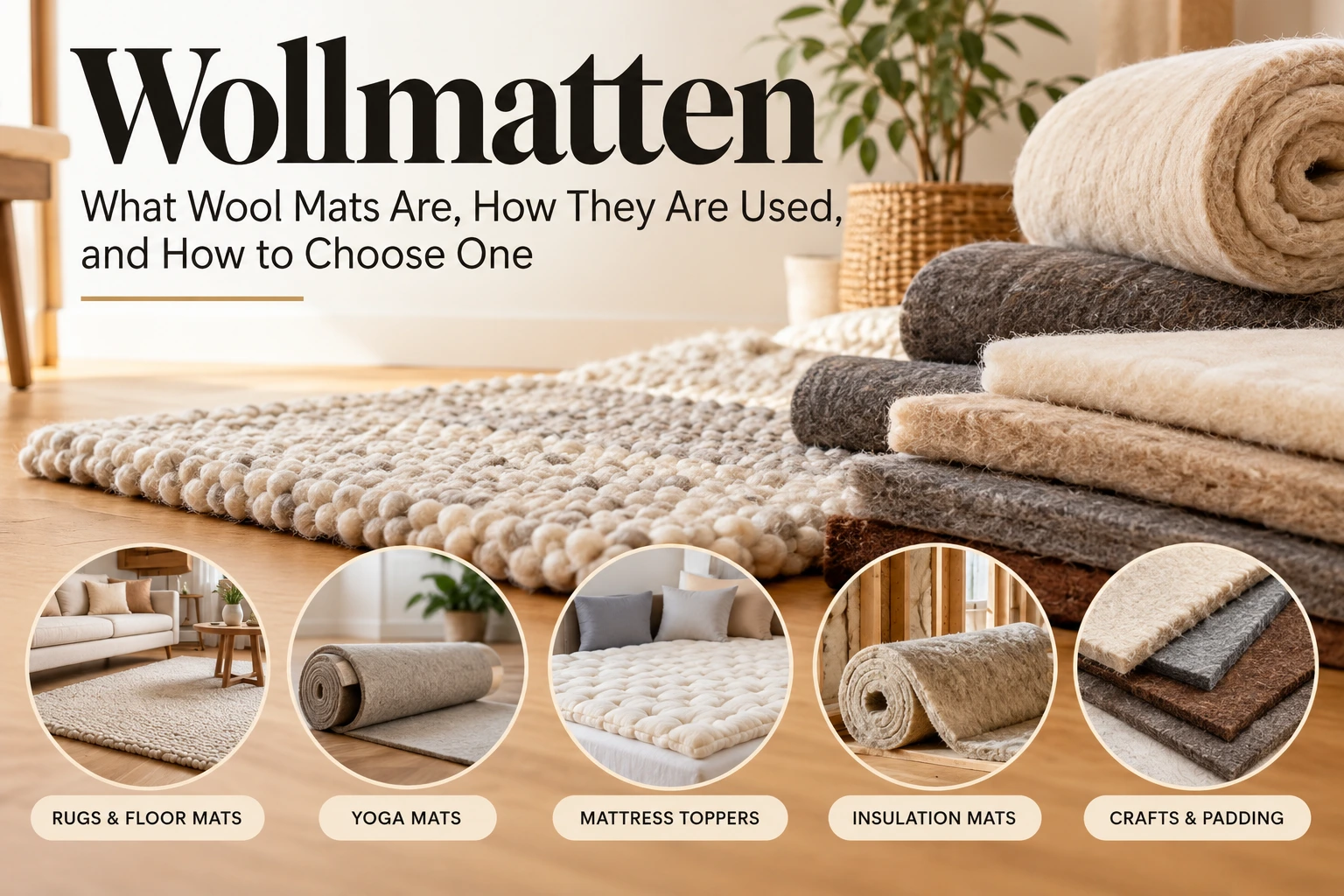
The term wollmatten can look unfamiliar to English-speaking shoppers because it comes from German. In simple terms, wollmatten means “wool mats,” with “Wolle” referring to wool and “Matten” meaning mats. It is not the name of one specific product or brand. Instead, it is a broad word used to describe different types of mats, layers, and textile products made partly or entirely from wool.
People searching for wollmatten are often looking for natural home materials, sustainable alternatives, insulation products, or traditional textile items. The challenge is that the same word can describe very different products. A wool floor covering, a yoga surface, and an insulation layer may all fall under this general category, but they are designed for completely different purposes.
Understanding what type of wool mat you need is more important than the name itself. This guide explains what wollmatten are, how they are made, where they are used, their advantages and limitations, and how to choose the right wool mat for your specific project.
What Does Wollmatten Mean?
Wollmatten is a German plural term that translates directly to “wool mats” in English. The singular form is Wollmatte, meaning a single wool mat. Because the word is descriptive rather than a registered product name, it can refer to many different wool-based materials used in homes, crafts, construction, and personal comfort products.
In the United States, shoppers will usually see these items described as wool mats, wool rugs, wool layers, or wool-based pads rather than wollmatten. The German term may appear when people browse European-style products, translated listings, traditional textiles, or technical material descriptions.
The most important point is that wollmatten does not automatically mean a product is made from 100% wool. Some products use wool blends with other fibers, synthetic materials, or different backing materials. Anyone buying a wool mat should check the fiber-content label, product description, and construction details instead of relying only on the name.
Main Types of Wollmatten
Wollmatten can be used as decorative floor coverings, functional household materials, comfort layers, and industrial products. One common example is wool rugs, which use wool fibers to create a warm and textured surface for homes. These products are often chosen for their appearance, natural feel, and traditional craftsmanship. However, the quality and performance depend on the wool type, weave, thickness, and manufacturing method.
Some people also use wool mats for wellness purposes, including meditation or yoga practices. A wool yoga mat may appeal to people who prefer a natural-feeling surface instead of synthetic materials. The texture, thickness, and grip can vary widely, so a mat designed for gentle stretching may not perform the same way as one designed for active movement.
Another category includes comfort layers such as a wool mattress topper. These products are designed as an additional layer placed over a mattress to change the feel of the sleeping surface. They are different from mattress replacements and should be selected based on thickness, construction, and personal comfort preferences.
In building and home improvement, wool insulation mats are used as material layers intended for insulation applications. Their purpose is different from decorative or personal-use mats because they are selected based on construction requirements rather than appearance. Wool-based materials can also appear in furniture padding, sound-absorbing applications, garden mulch mats, and craft sheets where the fiber’s texture and structure are useful.
Because one term covers so many products, the best approach is to match the mat to the job. A decorative floor mat, insulation layer, and craft material may all contain wool, but they are not interchangeable.
How Wollmatten Are Made
The production method used for wollmatten affects their texture, durability, appearance, and intended use. Some wool mats are created through weaving, where wool fibers are arranged into structured patterns using traditional textile techniques. Woven wool products are commonly associated with rugs and decorative surfaces because they can create detailed designs and durable fabrics.
Another common method is felting. A felted wool mat is created by compressing and locking wool fibers together through mechanical action, moisture, pressure, or other processes. Felting creates a dense material that can be useful for pads, crafts, protective layers, and other applications where a compact structure is desired.
Some wool mats are made through needle-punching, a process that uses repeated needle movement to entangle fibers. This method is often used for practical materials where a uniform thickness and stable surface are important. Layering is another approach, where wool fibers are arranged into sheets or combined with other materials.
Backing materials can also change how a wool mat performs. Some products include fabric, rubber, or other backing layers to improve stability or protect the surface underneath. Since construction varies so much, two products labeled as wool mats may feel and function completely differently.
Benefits and Limitations of Wool Mats
Wool is a natural fiber that has been used in textiles for centuries. Many people choose wool mats because wool can provide warmth, a soft texture, and some ability to manage moisture within the material. It can also contribute to sound absorption in certain applications because of its fibrous structure.
From a sustainability perspective, wool is a renewable natural fiber, and it is biodegradable under appropriate conditions. However, describing every wool product as automatically sustainable would be too simple. The environmental impact of an individual wool mat depends on factors such as farming practices, manufacturing methods, transportation, chemical treatments, product lifespan, and disposal.
There are also practical limitations. Wool mats can cost more than some synthetic alternatives because of material sourcing and manufacturing processes. Some products require more careful cleaning, especially when compared with easy-care synthetic options. Proper maintenance is important for keeping wool products in good condition.
Storage also matters. Poorly stored wool items may attract moths or experience damage over time. Keeping wool products clean, dry, and properly stored can help reduce these risks. Additionally, some people may find wool fibers irritating against their skin, especially in products designed for direct body contact.
A balanced decision comes down to priorities. Wool can be an attractive natural material, but it is not automatically the best choice for every person, budget, or application.
How to Choose the Right Wollmatte
Choosing the right Wollmatte starts with identifying its purpose. A shopper looking for a floor covering should focus on appearance, durability, and room placement. Someone searching for insulation should focus on construction details and suitability for that application. A person buying a yoga or comfort mat should consider thickness, texture, and how the material feels during use.
Always check the fiber content before buying. A product using the word wool may contain a wool blend rather than being made entirely from wool. The percentage of wool, additional fibers, backing materials, and manufacturing method can significantly change how the product performs.
Thickness is another important factor. A thin wool craft sheet and a thick floor mat may both appear in searches for wool mats, but they serve completely different roles. The product description should explain whether the item is designed for flooring, insulation, furniture use, personal comfort, or another purpose.
The biggest shopping mistake is choosing based only on the name. Since wollmatten covers such a wide range of products, the description and specifications are more valuable than the keyword itself. Match the mat to the job first, then compare materials, construction, and care requirements.
Care, Cleaning, and Storage
Proper wool mat care helps maintain the appearance and condition of the material. The first step is always checking the manufacturer’s care instructions because wool products can differ depending on their construction, dyes, backing, and finishing treatments.
For general maintenance, regular vacuuming or gentle shaking can help remove surface dust and debris. If a spill occurs, addressing it quickly by blotting rather than aggressively rubbing is usually recommended. Avoid soaking wool mats unless the product instructions specifically allow it, because excess moisture can affect the fibers and structure.
Storage conditions also matter. Wool mats should generally be kept in a dry, ventilated area when not in use. Long-term storage in damp or poorly protected spaces can create problems, including unwanted odors or insect damage.
A well-maintained wool mat can remain useful for many years, but care expectations should be considered before purchase. Natural materials often reward careful maintenance, while requiring more attention than some low-maintenance synthetic alternatives.
Conclusion
Wollmatten simply means wool mats, but the term covers a wide variety of products rather than one specific item. From wool rugs and comfort layers to insulation materials, craft sheets, and practical household uses, wool mats can serve many different purposes depending on their construction.
The most important step when choosing wollmatten is understanding the intended use. A wool yoga mat, a wool mattress topper, and wool insulation mats may share the same basic material but require completely different features. Always check fiber content, thickness, backing, and product details before buying.
Wool is a natural fiber with qualities that make it valuable in many applications, but it also has limitations involving cost, maintenance, storage, and personal comfort. Choosing the right wool mat means looking beyond the name and selecting the product that matches the job.